
The 5 Types of Japanese Workwear Pants Explained
1. How to understand Japanese work pants silhouettes
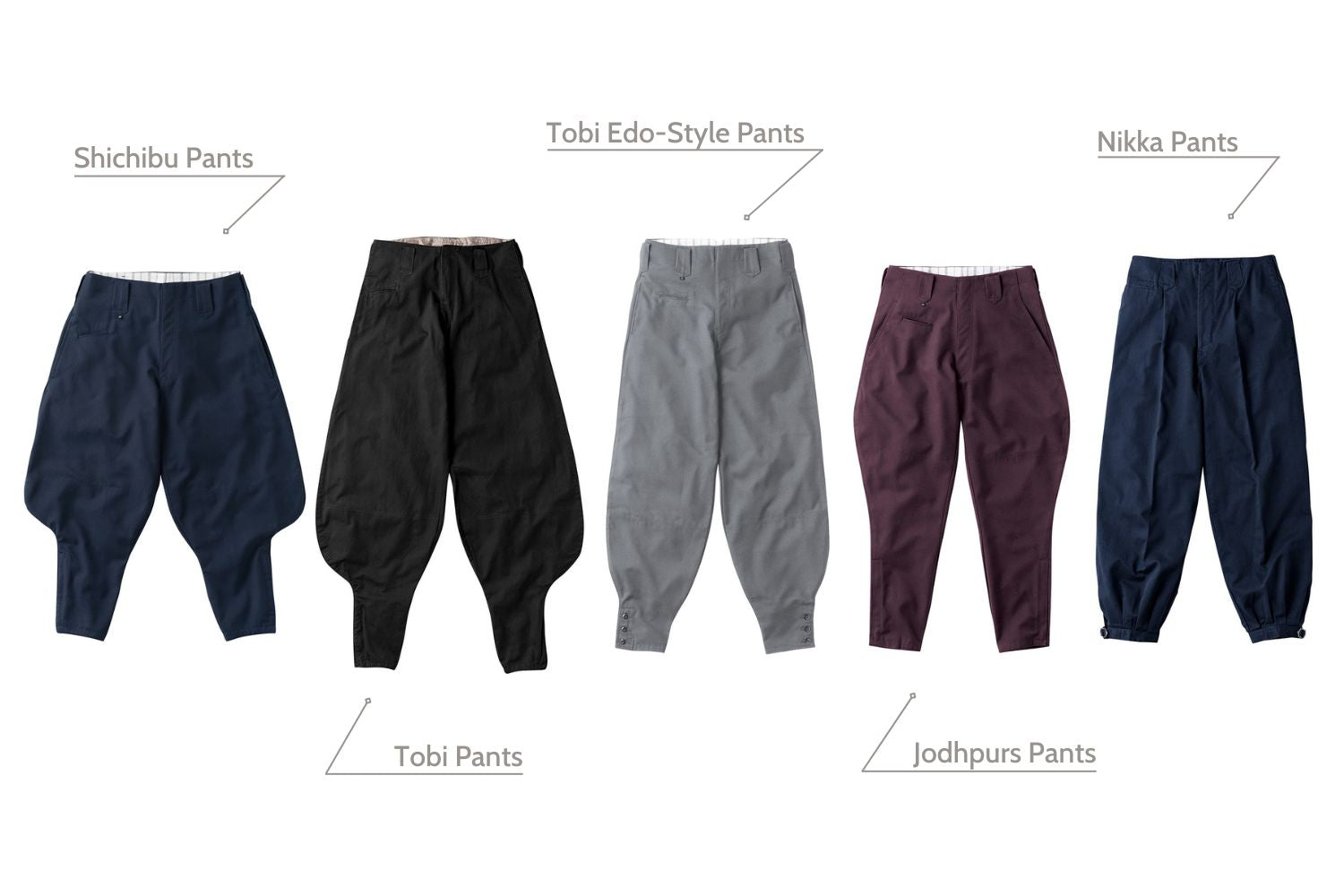
If you're discovering Japanese workwear for the first time, the different names and shapes can be confusing. Nikka, Tobi, Shichibu, Jodhpurs, and Edo-Style Tobi may look related at first glance, yet each silhouette has its own history, purpose, and character.
These styles all belong to the world of Japanese workwear, where clothing evolved to meet the practical demands of skilled trades. Over time, workers adapted and refined their garments to suit different tasks, environments, and regional preferences. The result is a remarkable variety of silhouettes unlike anything found in conventional Western trousers.
What makes these pants particularly interesting is that their shapes were not originally created for fashion. Their distinctive forms emerged from real-world needs such as mobility, comfort, durability, and ease of movement. Yet those functional origins also gave them a unique visual identity that continues to inspire people today.
In this guide, we'll explore five of the most representative Japanese workwear silhouettes:
- Jodhpurs Pants
- Edo-Style Tobi Pants
- Shichibu Pants
- Nikka Pants
- Tobi Pants
For each style, we'll look at its history, key characteristics, and styling possibilities to help you understand the differences and find the silhouette that suits you best.
Before we begin, it's worth noting that all five styles share a common trait: they are fuller through the thighs than conventional trousers. This distinctive proportion reflects their workwear origins and contributes to the freedom of movement that defines Japanese workwear pants.
Now, let's take a closer look at each silhouette.
2. Jodhpurs

History
Jodhpurs originated in northern India during the 19th century as riding trousers designed for horseback travel. Their distinctive silhouette—roomy through the thighs and fitted below the knee—provided comfort while riding and fit neatly inside tall boots.
The style was later adopted by the British military and became associated with cavalry officers, aviators, and equestrian culture. Over time, Jodhpurs evolved beyond their military origins and found their way into fashion and workwear.
In Japan, the silhouette was adapted for practical use after World War II and became particularly popular among gardeners and landscape professionals, who appreciated its mobility and clean appearance.
Characteritics
Jodhpurs Pants feature a silhouette that is fuller through the thighs and gradually tapers below the knee, creating a close fit around the lower leg. This construction combines freedom of movement with a clean, streamlined appearance.
The fitted lower leg creates a refined profile while allowing the pants to pair naturally with both shoes and boots. An ankle zipper ensures a secure fit and helps maintain the silhouette’s elegant shape.
Style tips
The tapered lower leg creates a clean silhouette that pairs easily with both shoes and boots. Because the volume is controlled, Jodhpurs Pants work particularly well with simple, well-fitted tops such as button-down shirts, knit polos, lightweight sweaters, or tailored jackets.
Rather than making a bold statement, this silhouette brings quiet sophistication to an outfit, making it one of the most versatile styles in the collection.

- Impression : A clean, tapered silhouette that feels familiar yet refined.
- For who : For those who want a subtle introduction to Japanese workwear without being too bold.
- When to wear : Ideal for everyday wear, travel, and situations where balance and versatility matter.
> View Jodhpurs Pants Collection
3. Edo-Style Tobi

History
Like many aspects of Japanese culture, workwear evolved differently across regions. While workers in the Kansai region often favored extremely wide and long Tobi Pants, craftsmen in the Kanto region developed slimmer and more restrained variations.
The Edo-Style Tobi silhouette emerged from this regional preference. Named after Edo, the former name of Tokyo, it retains the distinctive character of traditional Tobi Pants while offering a more balanced and refined shape.
Today, Edo-Style Tobi Pants represent a bridge between traditional Japanese workwear and contemporary style, making them one of the most versatile silhouettes in the Nikka Zubon collection.
Characteristics
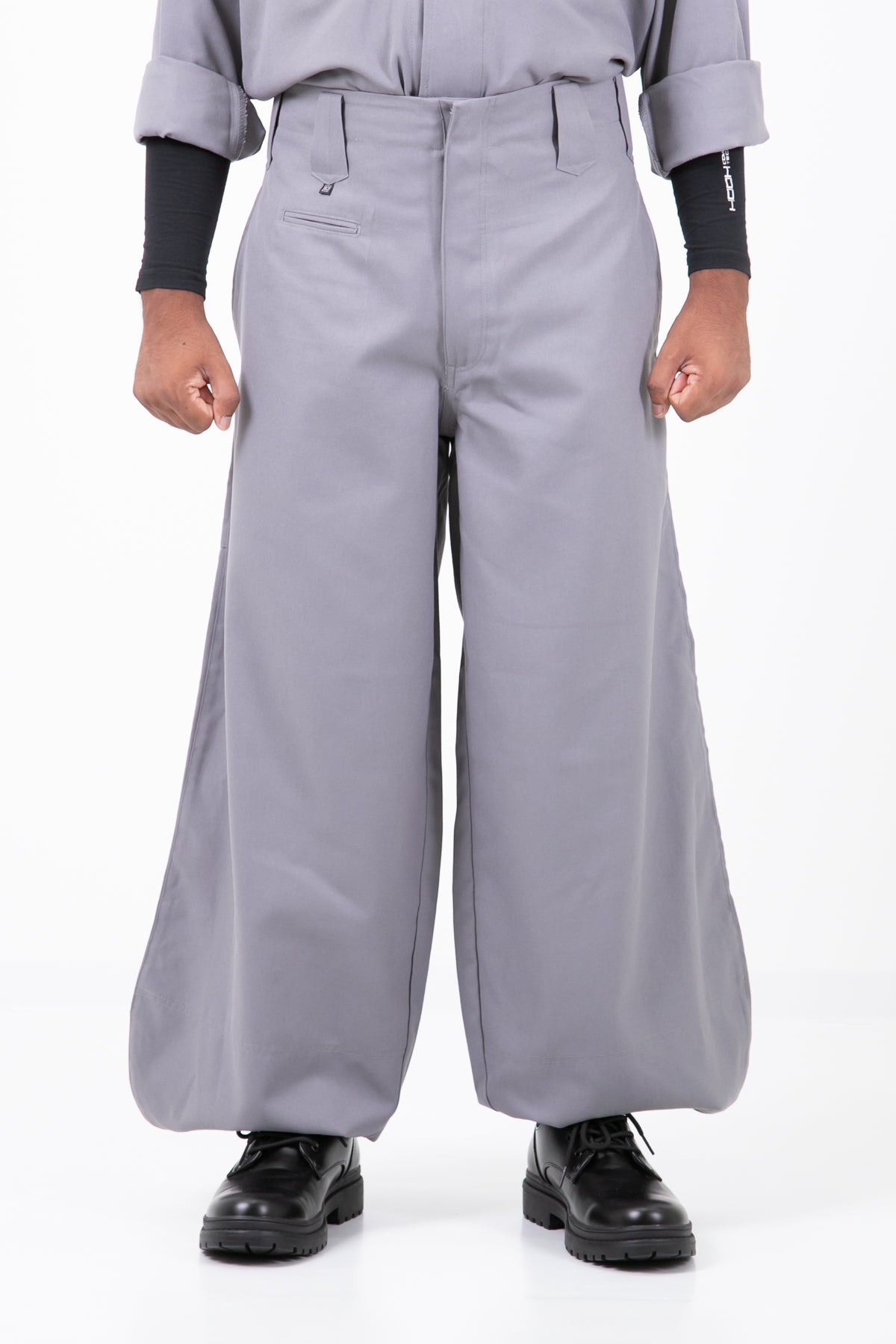
Edo-Style Tobi Pants offer a more balanced interpretation of the traditional Tobi silhouette. While retaining the characteristic volume associated with Japanese workwear, the cut is more restrained and streamlined than standard Tobi Pants.
The silhouette is secured at the ankle with traditional buttons rather than zippers, adding a distinctive visual detail and a touch of classic craftsmanship. The result is a shape that feels both practical and refined.
The result is a silhouette that bridges traditional Japanese workwear and contemporary style—a balance that has become a signature of the Nikka Zubon collection.
Style tips
The long, straight silhouette creates a balanced proportion that naturally elongates the legs while maintaining a refined appearance. Compared with more dramatic workwear silhouettes, Edo-Style Tobi Pants feel particularly at home in urban settings.
Pair them with a tucked-in shirt, lightweight jacket, or structured overshirt to emphasize the clean vertical lines. This silhouette offers a distinctive look without feeling overly dramatic.

- Impression : A structured silhouette that balances tradition and modern wearability.
- For who : For those who appreciate design, but still want something grounded and wearable.
- When to wear : Perfect for city wear, creative work environments, and elevated casual outfits.
> View Edo-Style Tobi Pants Collection
4. Shichibu

History
The name "Shichibu" literally means "seven-tenths" and refers to the shortened length of the silhouette. The style developed as a variation of traditional Japanese workwear trousers, offering a distinctive proportion that differed from both Nikka and later Tobi styles.
After World War II, Shichibu Pants became popular among Japanese construction workers and craftsmen. Many workers even commissioned custom-made versions tailored to their own preferred proportions.
Today, Shichibu remains one of the most unique silhouettes in Japanese workwear, valued as much for its visual character as for its practical origins.
Characteristics
Shichibu Pants are distinguished by their unique proportions and shorter silhouette. The volume tapers sharply around the knee, creating a dramatic contrast between the sculpted upper section and the slimmer lower leg.
This distinctive construction emphasizes the shape of the silhouette itself, producing one of the most recognizable and unconventional forms in Japanese workwear. The shorter length further enhances the visual impact of the design.
Style tips
Shichibu Pants feature one of the most distinctive silhouettes in the collection, with dramatic volume around the knees that narrows sharply below. The result is a sculptural shape that changes character as you move.
To let the silhouette stand out, pair them with simple tops and low-profile footwear such as leather shoes, sneakers, or ankle boots. These pants work best when they become the focal point of the outfit.
For those who enjoy expressing individuality through clothing, Shichibu Pants offer a uniquely artistic presence.

- Impression : A sculptural silhouette that shifts between sharp structure and soft volume depending on movement.
- For who : For those who see clothing as expression rather than function alone.
- When to wear : Best for styling-focused outfits, creative spaces, and moments where individuality matters.
> View Shichibu Pants Collection
5. Nikka

History
The origins of Nikka Pants can be traced back to the knickerbockers worn in Europe and North America during the late 19th and early 20th centuries. The name "Nikka" is believed to derive from "knickerbockers," which were originally designed for activities requiring freedom of movement, such as golf, cycling, and mountaineering.
When this style was introduced to Japan, it evolved in a unique direction. Rather than remaining a sport garment, it was adapted for demanding work environments where mobility, durability, and comfort were essential.
Over time, Nikka Pants became one of the foundations of Japanese workwear culture. While closely associated with construction workers and craftsmen, they are also worn by painters, festival participants, and people who appreciate their distinctive combination of practicality and style.
Today, Nikka Pants remain one of the most recognizable silhouettes in Japanese workwear and serve as the foundation from which many other styles have evolved.
Characteristics
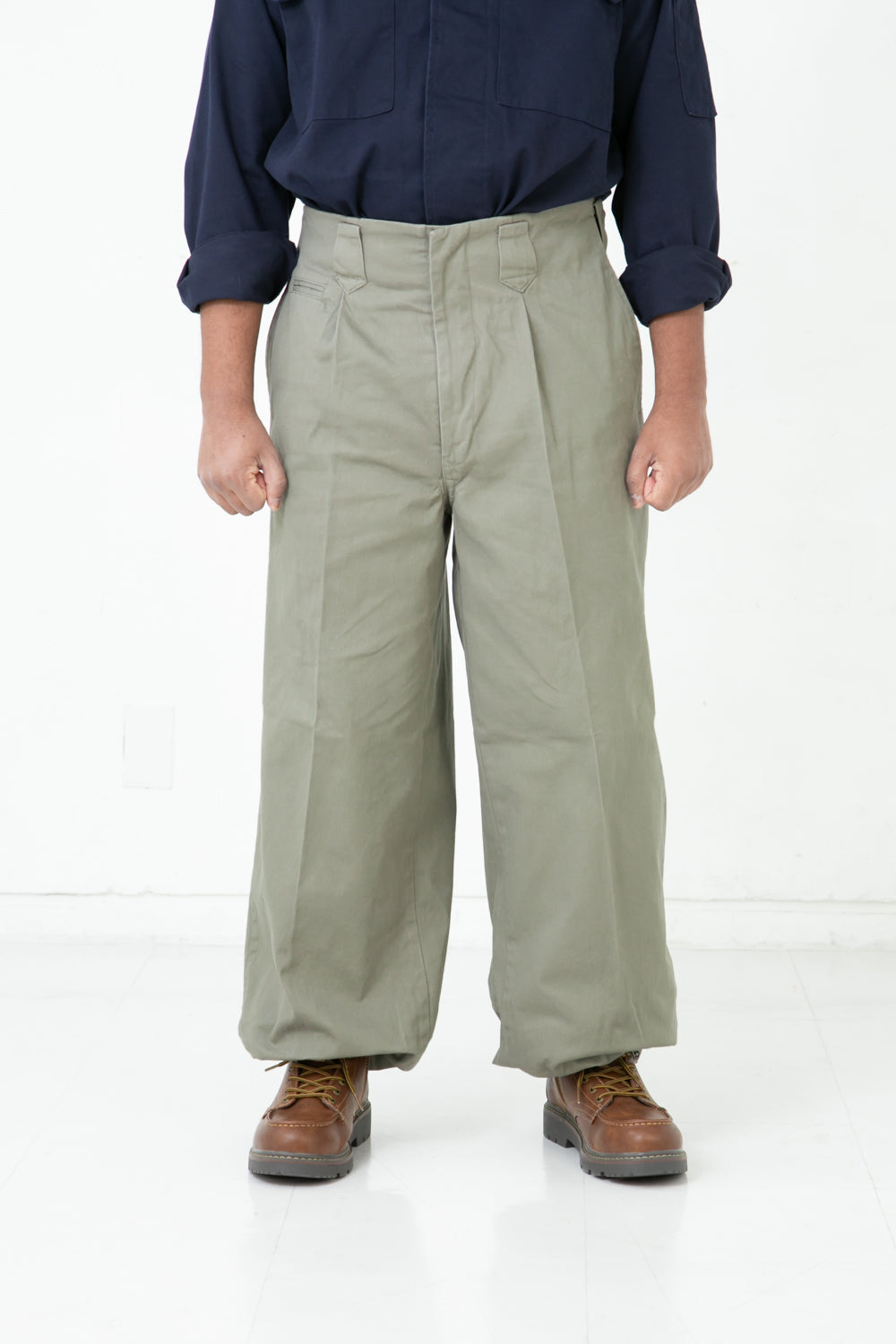
Nikka Pants feature a straight, generously cut silhouette that maintains its volume all the way to the ankle. Originally developed for freedom of movement in demanding work environments, the design combines comfort, durability, and practicality.
The adjustable ankle closure allows the hem to be tightened when needed, helping to keep the silhouette secure while preserving its distinctive shape.
Style tips
Nikka Pants are defined by their generous volume and freedom of movement. Unlike silhouettes that rely on sharp tapering or dramatic shaping, Nikka Pants create a relaxed yet confident presence through balance and proportion.
Their versatility allows them to work equally well with a simple T-shirt, an overshirt, or a structured jacket. Pairing them with a fitted top emphasizes the distinctive volume of the legs, while a looser top creates a more relaxed and contemporary silhouette.
Whether worn casually or as part of a more considered outfit, Nikka Pants embody the functional freedom at the heart of Japanese workwear.

- Impression : The most functional and foundational silhouette in the Nikka Zubon system.
- For who : For those who value durability, structure, and purpose-driven design.
- When to wear : Suitable for both work and everyday life where reliability and comfort are essential.
6. Tobi

History
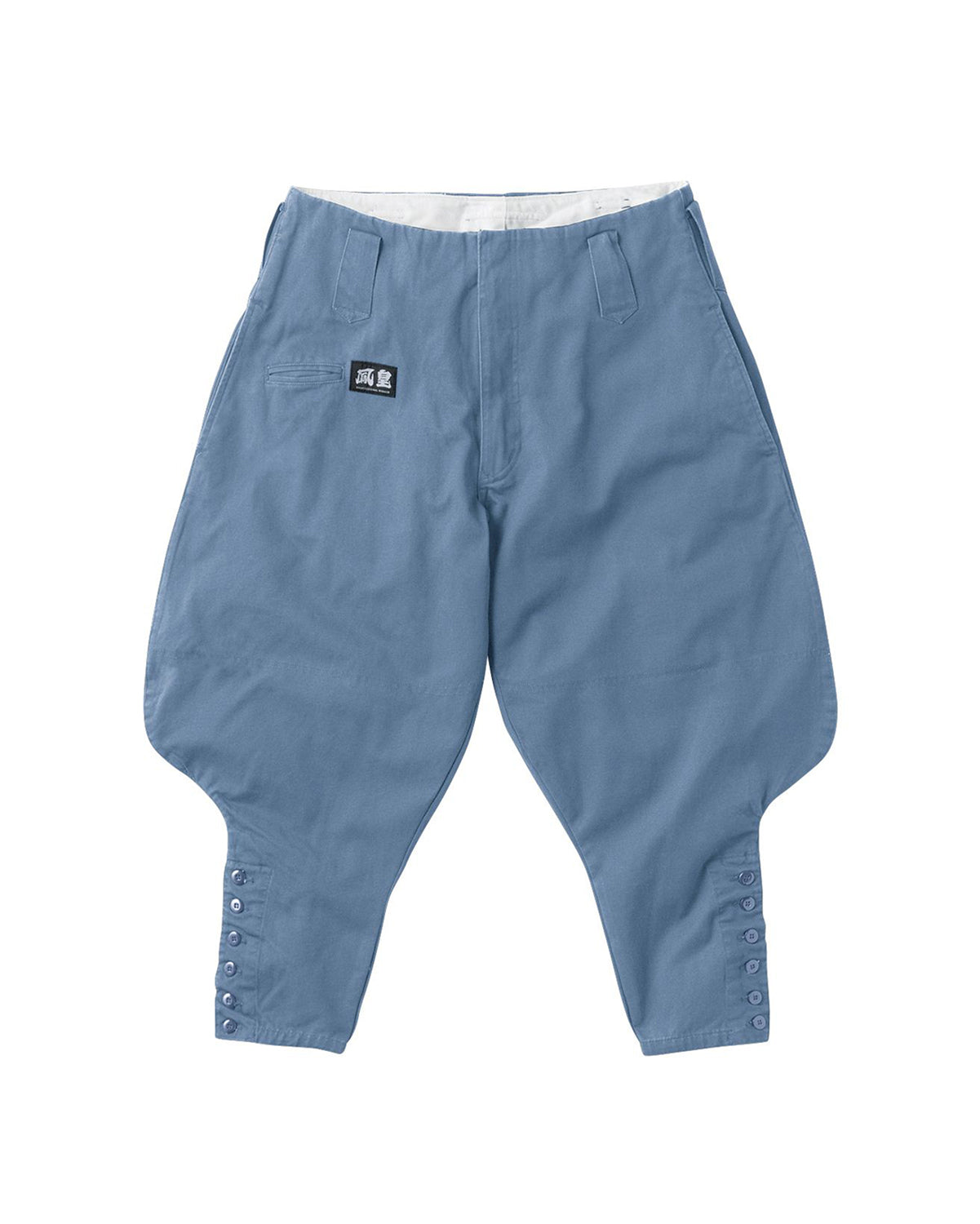
Tobi Pants developed from earlier Japanese workwear silhouettes such as Shichibu Pants. As construction culture evolved, workers began favoring wider cuts and longer lengths, creating increasingly dramatic silhouettes that emphasized both practicality and personal style.
Over time, these expanded proportions became strongly associated with tobi shokunin—the highly skilled construction workers who build and work on structures at height. The silhouette's distinctive volume provided freedom of movement while also creating a powerful visual identity within the trade.
Among all Japanese workwear styles, Tobi Pants became the most iconic. Their bold shape has appeared frequently in Japanese popular culture, including manga, films, and television, helping to establish the image that many people associate with Japanese construction workers today.
For many people, Tobi Pants represent the most recognizable expression of traditional Japanese workwear.
Characteristics
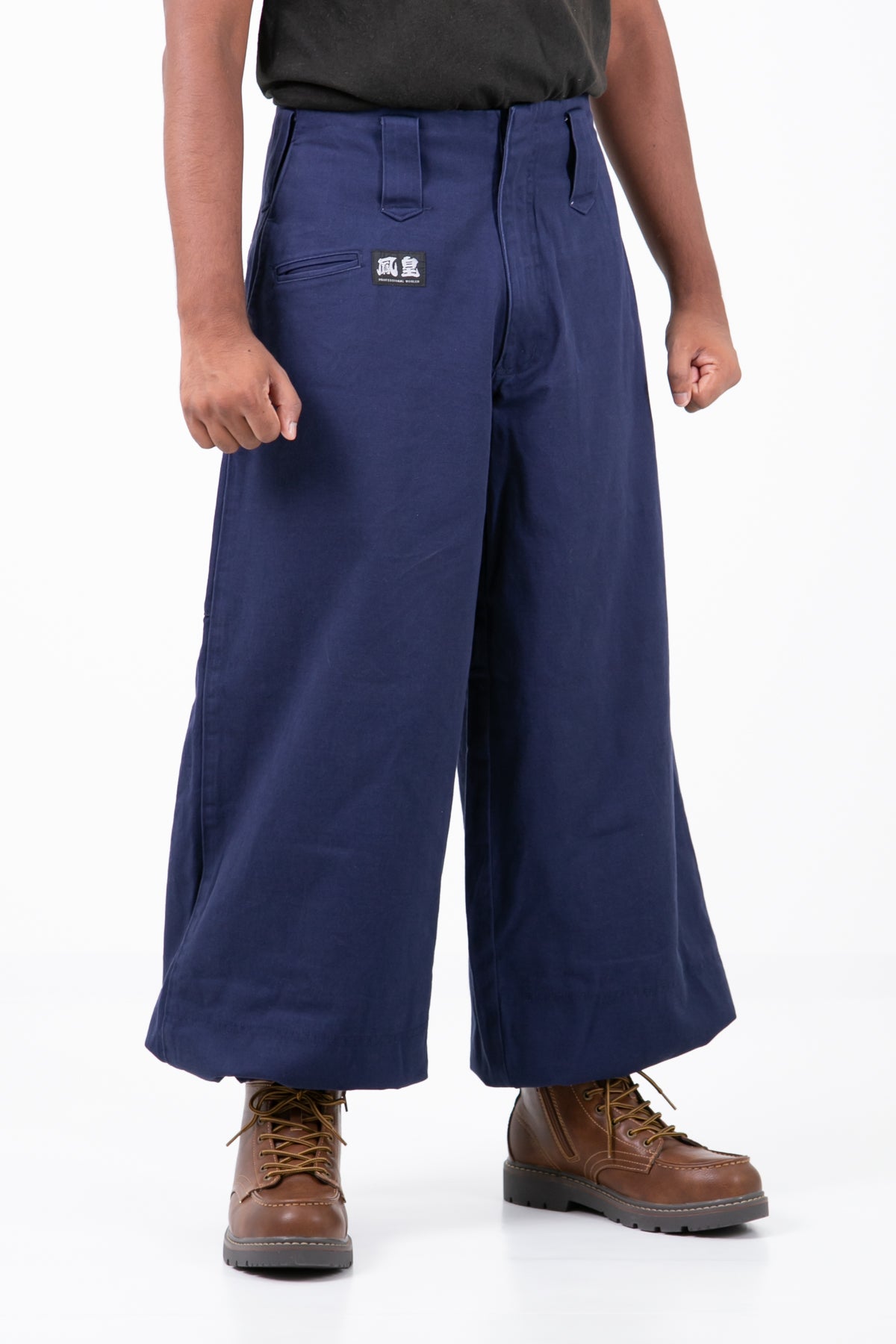
Tobi Pants are defined by their distinctive flared shape below the knee, creating volume around the calves while maintaining a secure fit at the ankle. This unique construction was originally developed to provide freedom of movement while working at height.
The silhouette creates a strong visual presence and a sense of dynamism that sets it apart from conventional trousers. An ankle zipper allows the pants to be put on and removed easily while maintaining their characteristic shape.
Style tips
Tobi Pants are designed to create a striking silhouette with dramatic volume around the calves. The result is a powerful shape that naturally draws attention and adds movement to every step.
To highlight the silhouette, pair them with a more fitted or streamlined top. The contrast between a clean upper body and the sculptural volume below creates a strong, confident look.
Among all Japanese workwear silhouettes, Tobi Pants are perhaps the most expressive—ideal for those who appreciate clothing that makes a statement without sacrificing function.

- Impression : A bold, highly architectural silhouette that creates strong visual presence.
- For who : For those who want to stand out and embrace a distinctive silhouette.
- When to wear : Ideal for fashion-forward outfits, styling experiments, and statement looks.
7. Which Japanese workwear silhouette is right for you ?
Japanese workwear pants have evolved into a wide range of silhouettes, each shaped by different trades, regional preferences, and practical needs. While they share common roots, each style offers a distinct look, feel, and wearing experience.
The right choice ultimately depends on what you are looking for.

| If you want... | Choose... |
|---|---|
| A refined, tapered silhouette with equestrian roots | Jodhpurs Pants |
| A balanced silhouette that blends tradition and modern wearability | Edo-Style Tobi Pants |
| An artistic and unconventional shape that stands out | Shichibu Pants |
| Functional freedom and everyday versatility | Nikka Pants |
| Maximum visual impact and a bold workwear statement | Tobi Pants |
For those discovering Japanese workwear for the first time, Edo-Style Tobi Pants offer one of the most versatile introductions to the category. They retain the distinctive character of traditional Tobi trousers while remaining easy to incorporate into contemporary wardrobes.
If you're looking for the silhouette most closely associated with Japanese construction culture, Tobi Pants remain the iconic choice. Meanwhile, Nikka Pants continue to represent the practical foundation from which many modern workwear styles evolved.
Whichever silhouette you choose, each reflects a unique chapter in the history of Japanese workwear and a different approach to movement, function, and style.
Explore the Collection
- View Jodhpurs Pants Collection
- View Edo-Style Tobi Pants Collection
- View Shichibu Pants Collection
- View Nikka Pants Collection
- View Tobi Pants Collection
What makes Japanese workwear unique is that these silhouettes were not created for fashion alone. They were shaped by real work, movement, and practical needs—and that functionality continues to define their character today.



Leave a comment
This site is protected by hCaptcha and the hCaptcha Privacy Policy and Terms of Service apply.