

4 Most Iconic Japanese Pants Styles : What Are They Called ?
Japanese clothing is known for its distinctive silhouettes, thoughtful construction, and close relationship between form and function. And this extends far beyond the kimono.
From the flowing pleats of hakama to the practical, distinctive shape of tobi pants, Japanese pants styles have developed to serve different purposes, occasions, and ways of life.
If you have ever wondered what traditional Japanese pants are called, or how these different styles compare, this guide introduces four distinctive examples: hakama, samue, jinbei, and tobi.
Each has its own character. Understanding what makes them different is also a way to discover how clothing can reflect the life it was designed for.
1. Hakama (袴): Structure, Movement, and Tradition
Hakama are traditional Japanese garments worn over other clothing, typically featuring a wide silhouette and distinctive pleats. Depending on the style, they can resemble wide-legged pants or a divided skirt.
Historically, hakama were worn in a variety of settings, including by members of the samurai class. Their construction and appearance varied according to the period, occasion, and type of garment.
Today, hakama are often associated with martial arts, formal occasions, and traditional Japanese ceremonies. They are also worn with kimono for certain cultural events.
What makes hakama distinctive?
- Silhouette: Wide legs and structured pleats create a flowing shape.
- Construction: Long ties secure the garment at the waist.
- Character: The balance between volume, structure, and movement gives hakama their unmistakable appearance.
Hakama are a good example of how a garment can be practical while also communicating formality and cultural identity.
Their generous volume is particularly interesting from a design perspective: the shape of the fabric itself becomes an important part of the garment's character.
2. Samue (作務衣): Practical Clothing for Everyday Tasks
Samue are traditional-style Japanese garments associated with practical daily activities. They typically consist of a simple jacket and full-length pants, with a relaxed fit that allows comfortable movement.
The name is connected to samu, the daily work and tasks performed in Zen Buddhist settings. Today, samue are also worn as comfortable everyday clothing and loungewear.
What makes samue distinctive?
- Silhouette: Relaxed, relatively simple, and easy to move in.
- Construction: Usually a two-piece set consisting of a jacket and pants.
-
Character: Practicality and comfort take priority over a formal or decorative appearance.
Samue are often made from cotton or other comfortable fabrics, although materials vary depending on the intended use and season.
Compared with hakama, samue generally have a more understated appearance. Rather than relying on pleats or dramatic volume, their character comes from simplicity and ease of movement.
This is one reason they can feel approachable even to people who are new to traditional Japanese clothing.
3. Jinbei (甚平): Lightweight Clothing for Summer
Jinbei are casual Japanese garments designed for warm weather. A typical jinbei consists of a short-sleeved top and matching shorts, often made from lightweight fabric.
They are commonly worn at home and during summer events, including festivals.
One of their most recognizable features is their construction around the underarm and sides, which can incorporate openwork or ties to encourage airflow.
What makes jinbei distinctive?
- Silhouette: A relaxed top paired with shorts.
- Construction: Lightweight materials and details designed to improve ventilation.
- Character: Casual, uncomplicated, and closely associated with summer.
Jinbei and samue are sometimes confused because both are relaxed, two-piece Japanese garments. The easiest way to distinguish them is to look at their typical form and intended use.
Jinbei usually have short sleeves and shorts, making them particularly suitable for hot weather. Samue generally have long sleeves and full-length pants, and are available in a wider variety of weights for different seasons and uses.
Both demonstrate an important idea in clothing design: comfort is not simply about choosing a soft fabric. The cut, construction, and way a garment allows air to circulate matter, too.
4. Tobi Pants (鳶ズボン): A Distinctive Silhouette from Japanese Workwear
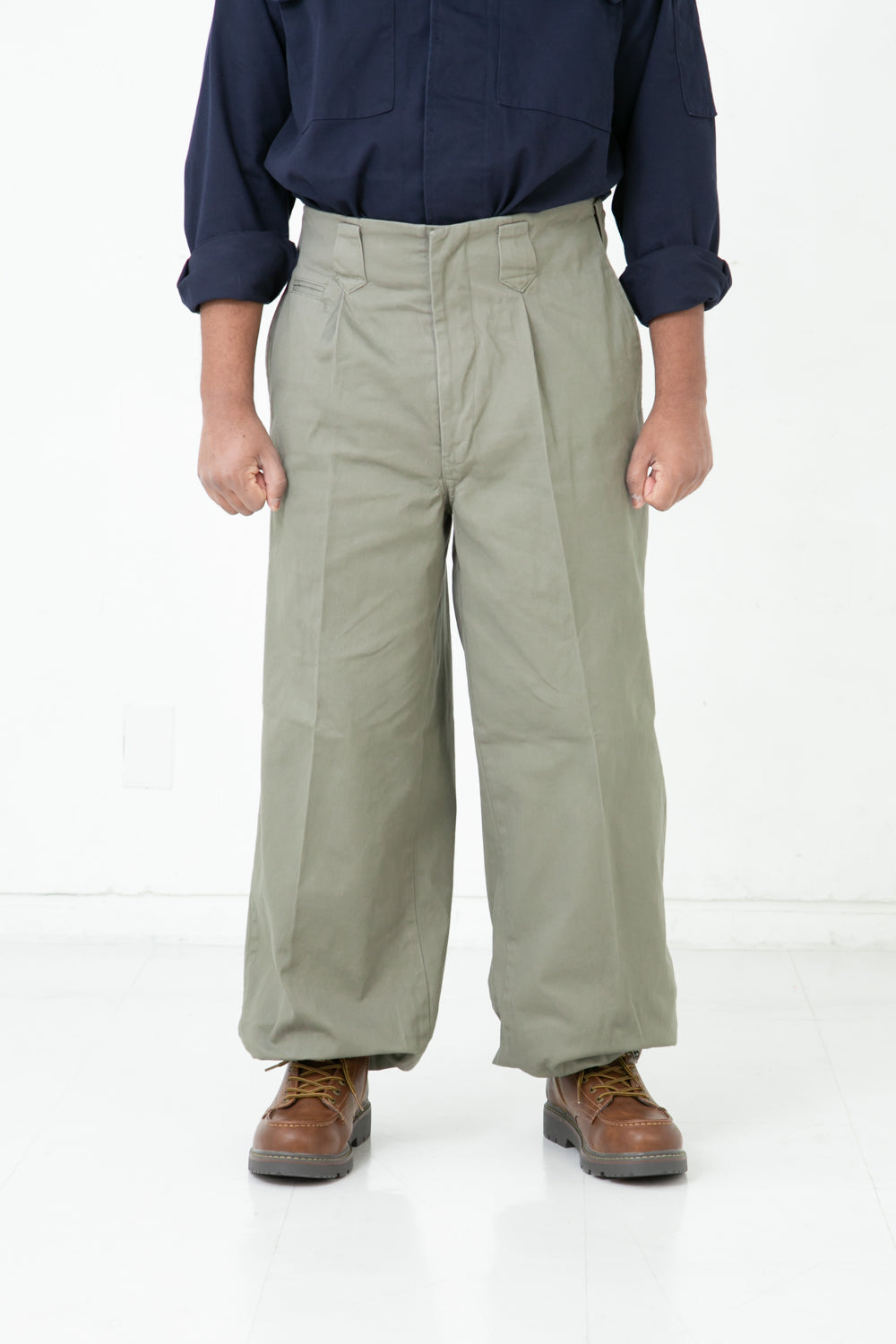
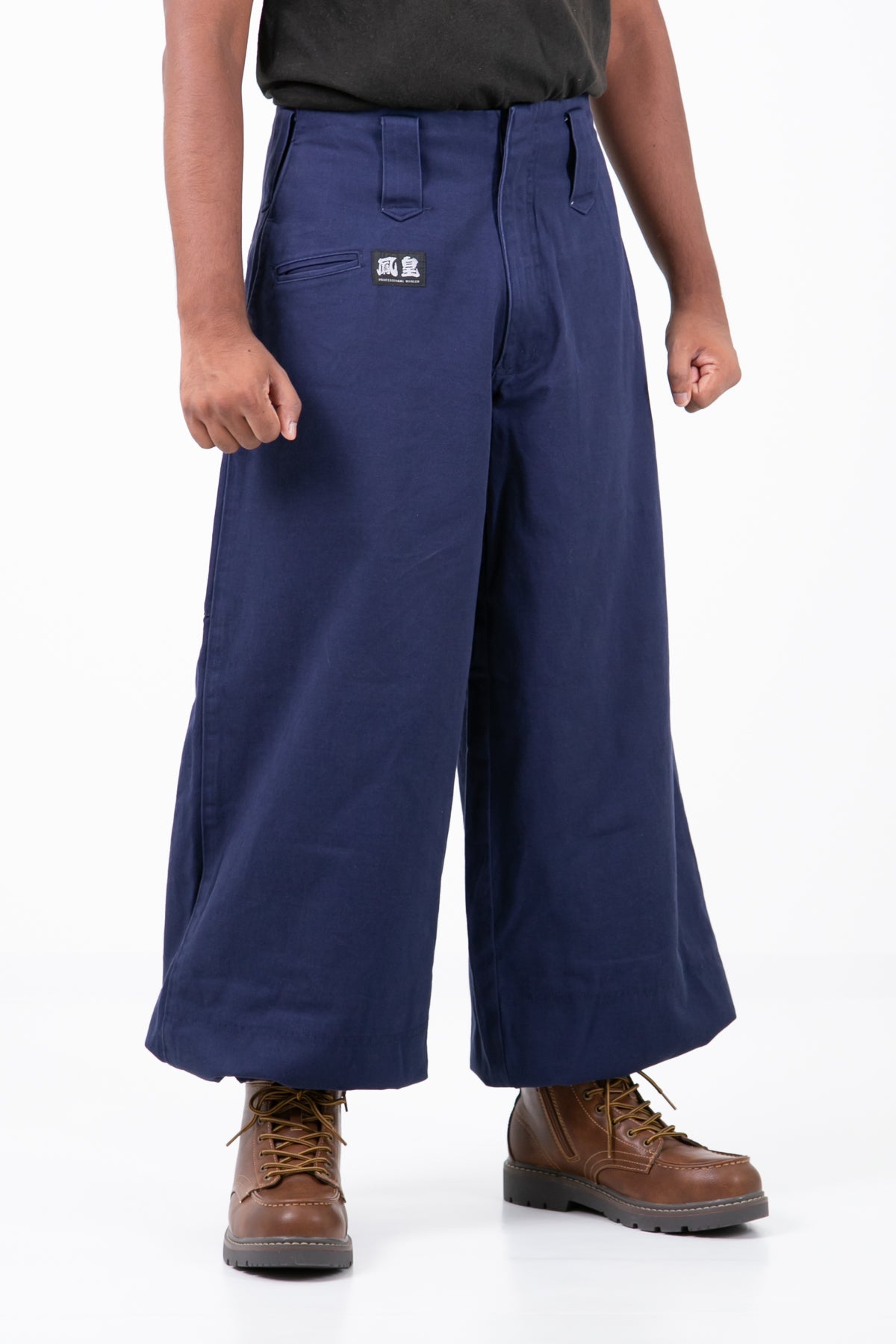
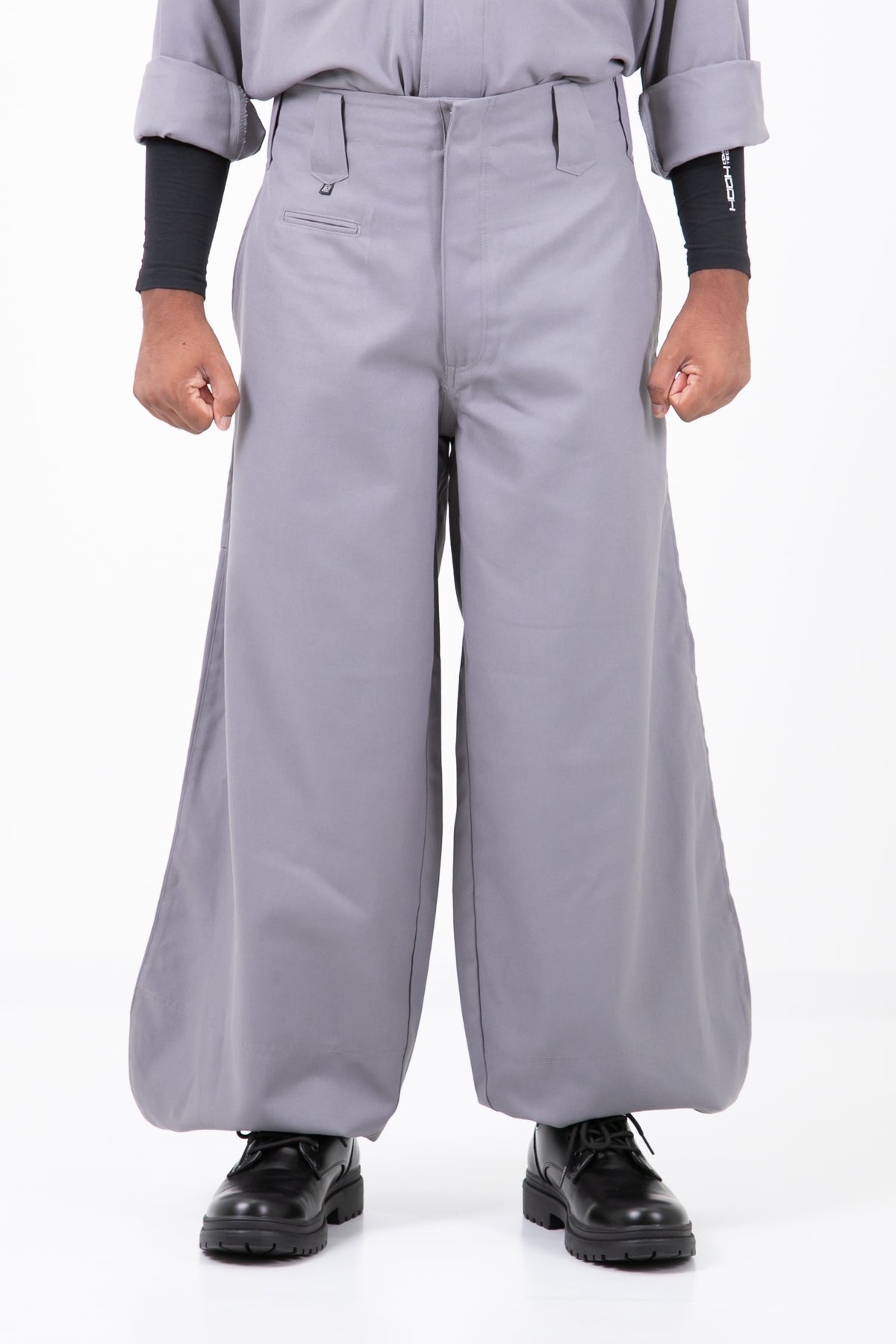
Tobi pants are Japanese work pants traditionally associated with tobi shokunin, specialist construction workers who work at heights, including on scaffolding.
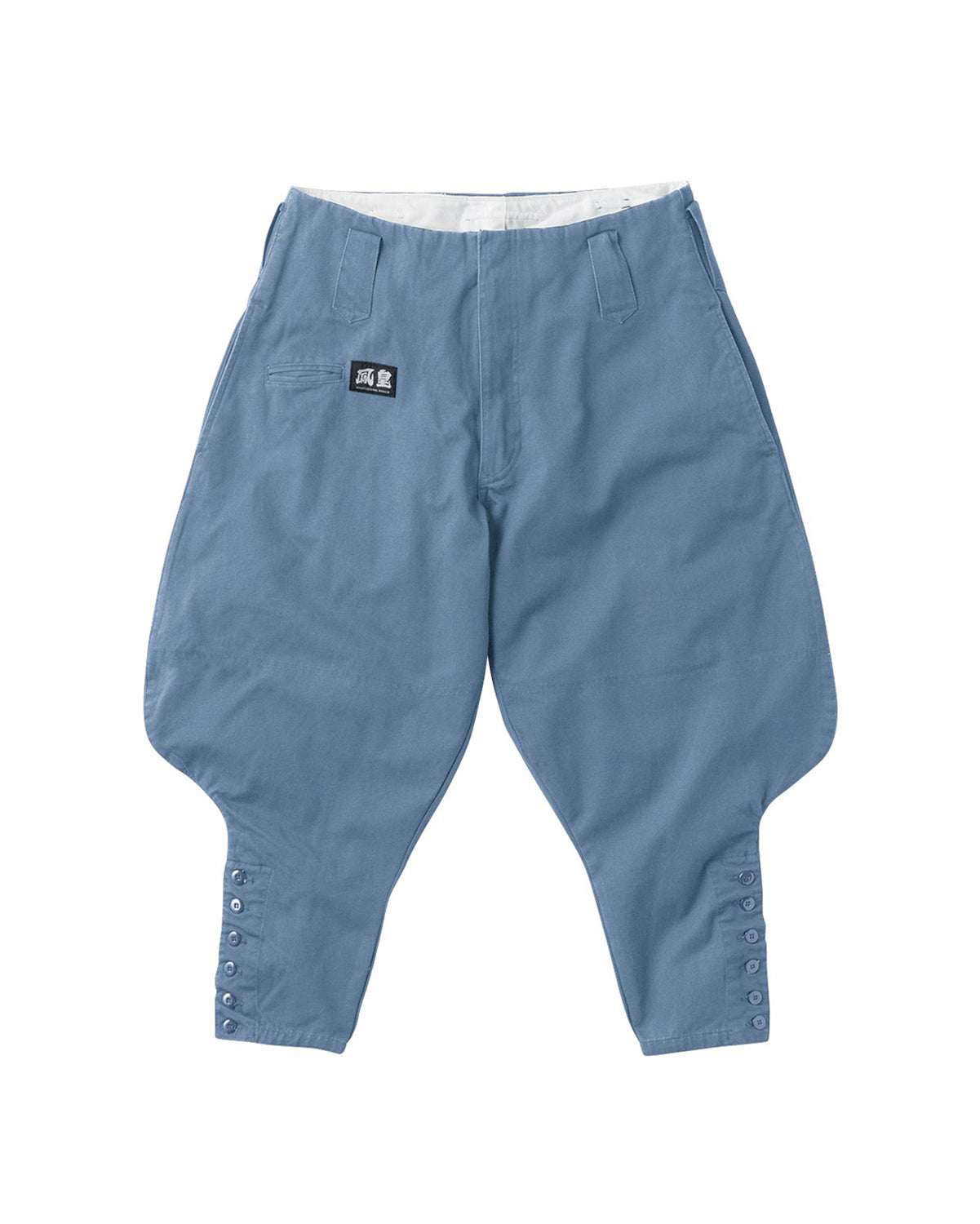
Their most recognizable feature is their exaggerated silhouette: generous volume through the upper legs, often followed by a pronounced taper toward the ankles. The proportions vary by style, but the contrast between the wide upper leg and narrower lower leg is central to their identity.
The name tobi refers to the construction trade. The garment is also part of a broader vocabulary of Japanese workwear, which includes different cuts developed for different working needs.
What makes tobi pants distinctive?
- Silhouette: A voluminous upper leg with a strong taper toward the ankle.
- Function: The cut and proportions are associated with traditional Japanese construction workwear.
- Character: Bold volume, clear lines, and a silhouette that stands out from conventional straight-leg pants.
The shape is not simply an oversized version of an ordinary pair of pants. The relationship between the volume above the knee and the taper below it creates a distinctive outline.
Although tobi pants originated in a workwear context, their visual character also makes them interesting beyond the job site. The generous fabric creates movement, while the tapered lower leg gives the overall silhouette definition.
For anyone interested in Japanese clothing, tobi pants offer a different way to think about proportions. Instead of relying on a slim fit or a straight line from hip to hem, they create a strong shape through contrast.
Tobi Pants and Nikka pokka: What's the Difference?
You may also come across the term nikka pokka (ニッカポッカ) when exploring Japanese work pants.
Nikka pokka and tobi pants belong to the same broader world of Japanese workwear, but the terms are not always used interchangeably. Both are associated with practical clothing, and both can feature generous volume, but the degree and placement of that volume vary by cut.
Some styles have a more balanced, rounded shape, while others emphasize the dramatic width and taper associated with classic tobi pants.
Rather than thinking of them as a single standardized design, it is more useful to compare their actual silhouettes: how much room they have through the thigh, where the leg begins to narrow, and how the hem sits around footwear.
These details make a noticeable difference to the way each style looks and moves.
How Do These Four Japanese Pants Styles Compare?
Although all four styles have Japanese cultural connections, they serve different purposes and create very different silhouettes.
| Style | Typical form | Main association | Defining feature |
|---|---|---|---|
| Hakama | Wide, pleated lower garment | Traditional and formal clothing | Structured pleats and flowing volume |
| Samue | Relaxed, full-length pants with a jacket | Practical daily wear | Simplicity and ease of movement |
| Jinbei | Shorts with a short-sleeved top | Casual summer clothing | Lightweight construction and ventilation |
| Tobi pants | Voluminous upper legs with tapered ankles | Japanese construction workwear | Dramatic proportions and a distinctive outline |
The key difference is not simply how wide or narrow each style is. It is the relationship between the garment's shape, construction, and original purpose.
Hakama use pleats and volume to establish their form. Samue prioritize relaxed practicality. Jinbei are designed around the needs of warm-weather comfort. Tobi pants are recognized by the contrast between generous leg volume and a narrower lower leg.
Once you understand these differences, it becomes easier to appreciate the variety within Japanese clothing.
From Traditional Clothing to Modern Workwear
Japanese clothing is often discussed through the lens of tradition, but not every distinctive Japanese garment is a traditional costume.
Workwear offers another perspective. Its design is shaped by practical needs, working environments, and the movements a garment must accommodate.
Tobi pants are a particularly interesting example. Their silhouette is closely associated with a specific occupation, yet it also has a strong visual identity that can be appreciated on its own.
This is part of what makes functional clothing so compelling: details that emerge from practical requirements can also create a memorable design.
The same principle can be seen in many forms of workwear. A garment does not need elaborate decoration to have character. Its proportions, construction, fabric, and relationship to the body can be enough.
For modern everyday wear, this opens up possibilities beyond conventional jeans, chinos, or straight-leg pants. A distinctive silhouette can change the balance of an outfit while remaining grounded in the practical qualities of workwear.
Exploring Japanese Work Pants Today
At Nikka Zubon, we focus on Japanese workwear pants, including Nikka and Tobi styles, and how their distinctive silhouettes can be worn in modern everyday life.
Our collection brings together different cuts and fabrics, from the recognizable volume of Tobi pants to more balanced interpretations of Japanese work pants.
If you are curious about the differences between these silhouettes, exploring the styles side by side is a useful place to start. Look at the width through the thigh, the taper toward the ankle, and the way the fabric falls when you move.
You may find that a silhouette you had previously considered unusual becomes much more interesting once you understand how it is constructed.
Explore the different silhouettes:
-
Nikka Pants — for a different take on Japanese workwear proportions.
-
Tobi Pants — for a more pronounced, voluminous silhouette.
-
Edo Tobi Pants — for a balanced interpretation of the Tobi shape.
-
Shichibu Pants — for a distinctive silhouette with volume around the knee and a narrower lower leg.
-
Jodhpurs Pants — for another approach to shaping volume through the legs.
Discover the collection and find the silhouette that speaks to you.
Final Thoughts
Hakama, samue, jinbei, and tobi pants each show a different relationship between clothing, function, and form.
Some are closely connected to traditional dress and cultural occasions. Others are rooted in everyday tasks or specialist work. Yet all offer something worth noticing in the way they are constructed and worn.
Learning the names is only the beginning. Looking more closely at their shapes, proportions, and purposes reveals a richer picture of Japanese clothing—and perhaps a new perspective on the pants you choose to wear today.



Leave a comment
This site is protected by hCaptcha and the hCaptcha Privacy Policy and Terms of Service apply.